Optimize your product feed and get ahead of your competitors
Product Feed Optimization That Drives More Google Ads Revenue
Be more visible, more often, for more relevant searches and queries. Enrich every SKU in your catalog with relevant attributes that will boost your visibility and profitability.
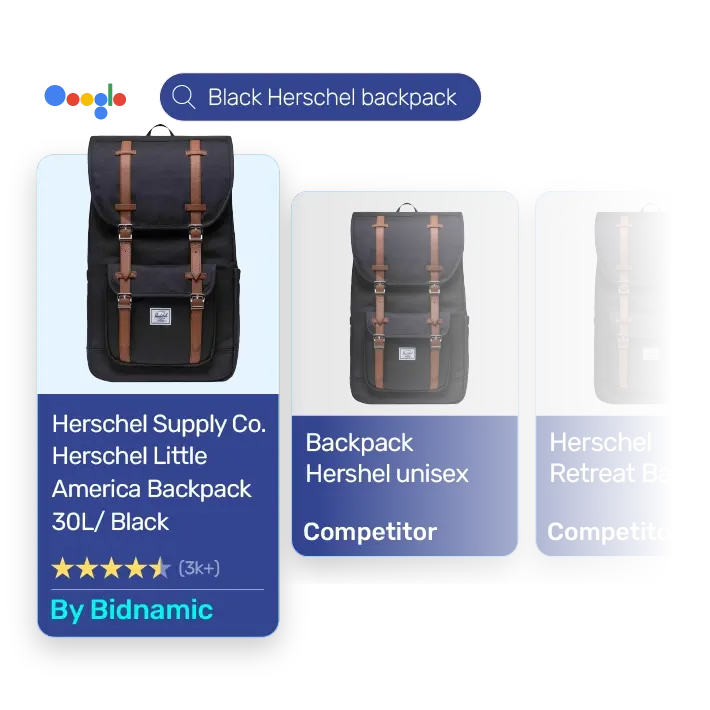
What our clients are seeing:
+41%
ROAS
+12%
Conversion Rate
-5%
CPC
How we do it
The right tools to achieve results
Feed Enrichment
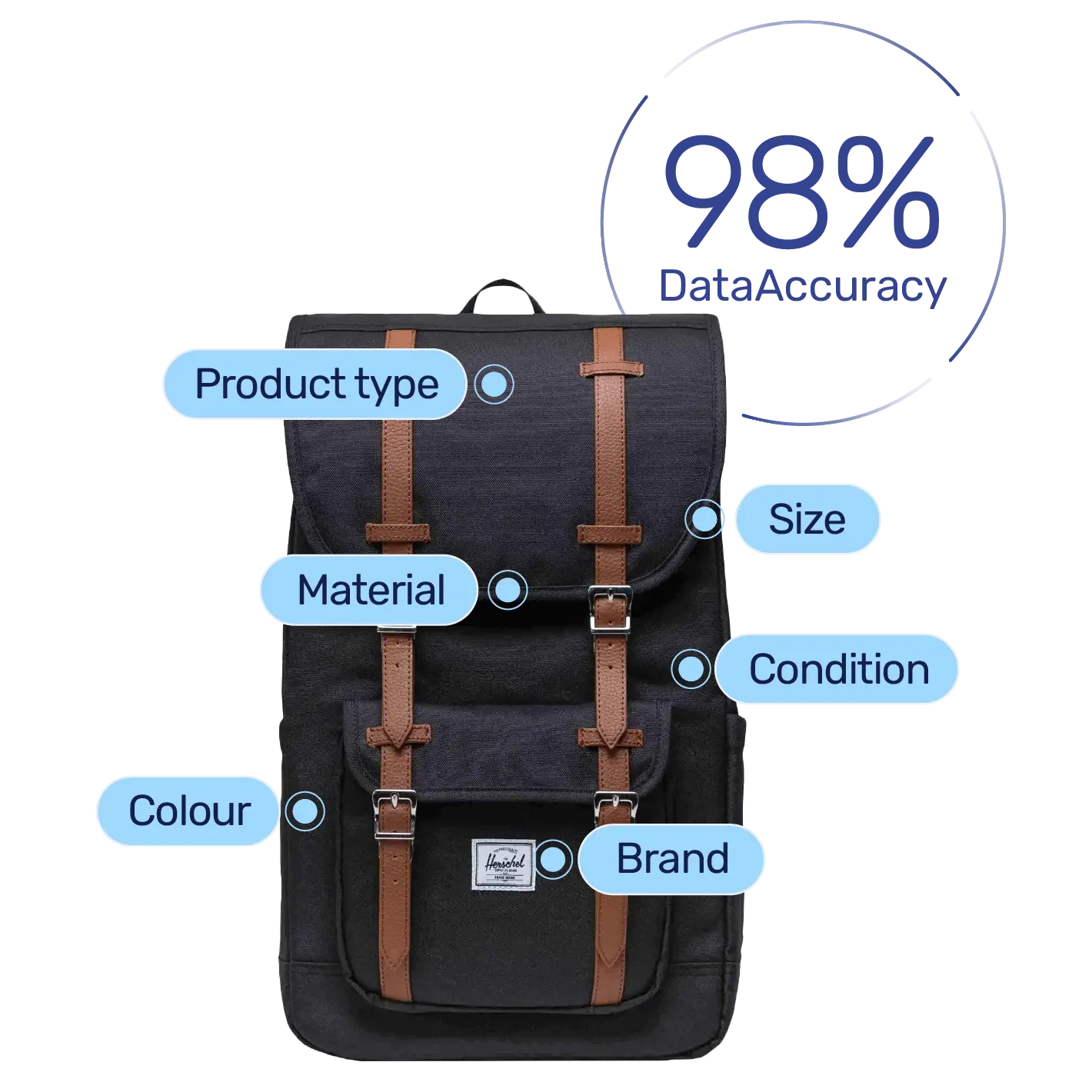
All the attributes are automatically populated for your entire existing catalog - and for new product releases - with high data accuracy, all done in minutes.
Product Title Optimization
We understand what your customers are searching for and structure your product attributes to improve visibility, clicks, and sales.
A/B Testing Framework
We validate our hypotheses by tracking changes in your Google Ads results that are directly attributable to feed optimization, ensuring improvements make a real difference in performance.
Why it matters
Better Ad Rank and Better Results
 Better Query Matching
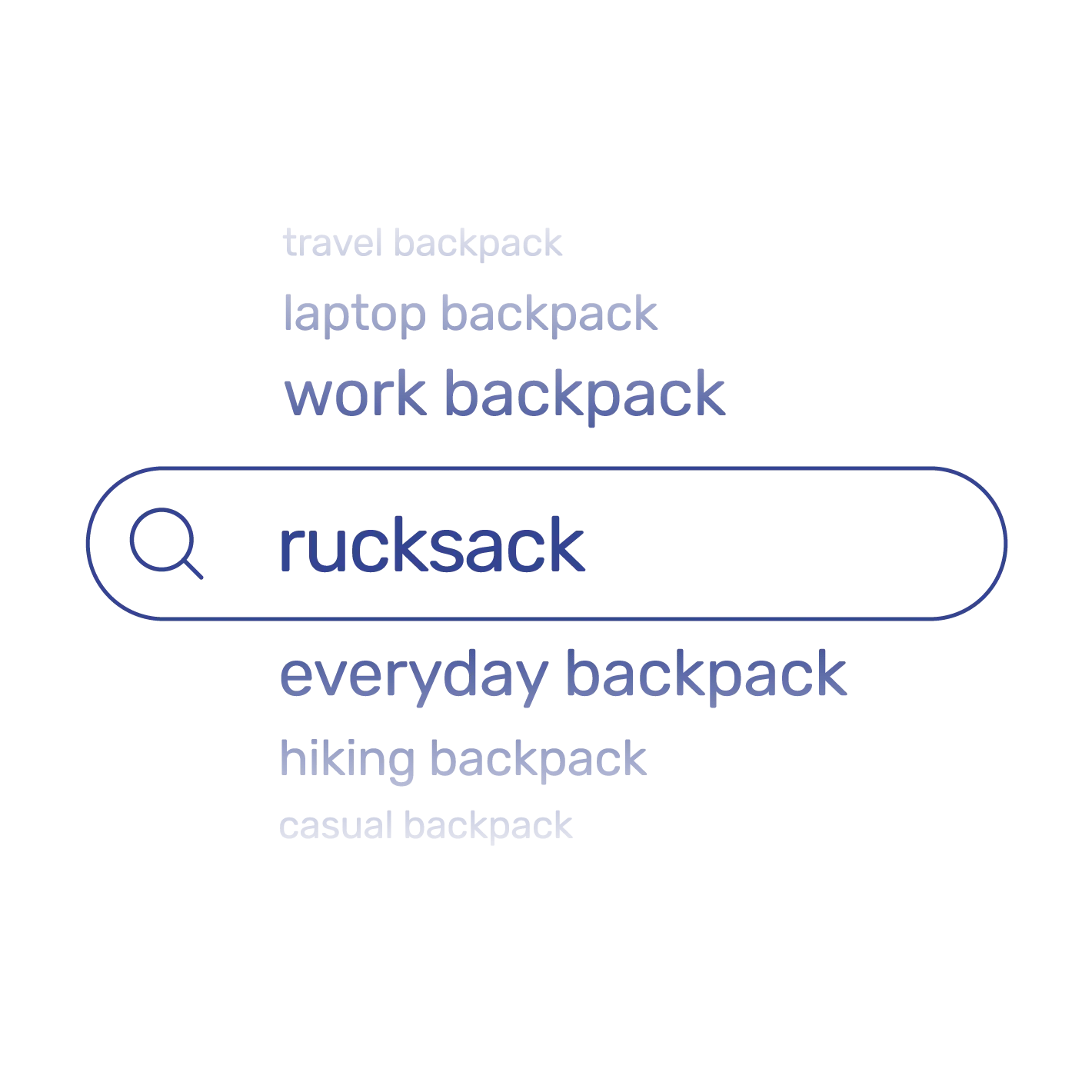
 You become eligible for more relevant search queries and appear more often due to higher relevance.
 Improved Conversion Rate
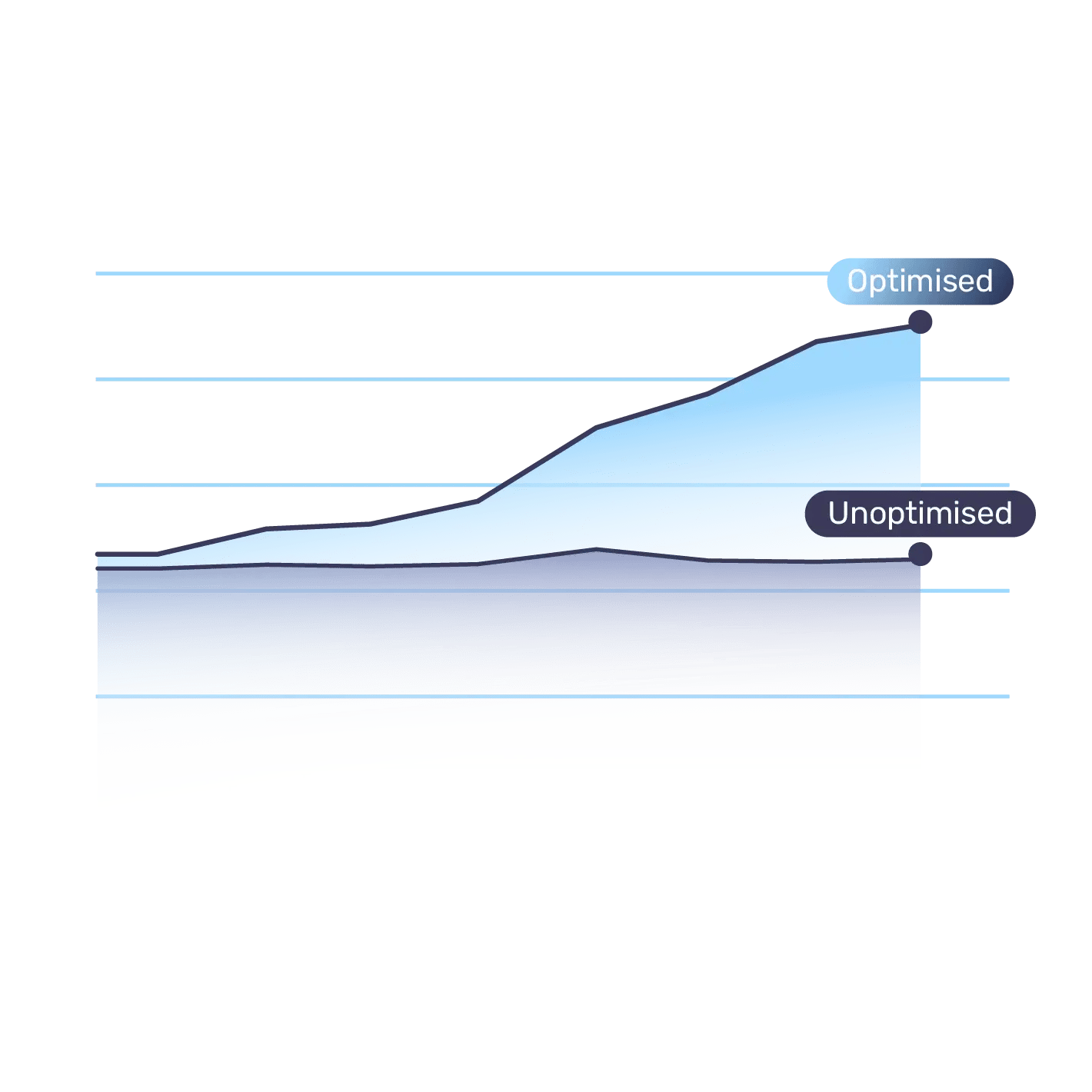
Appearing more often for relevant searches means more traffic and a higher likelihood of selling your products.
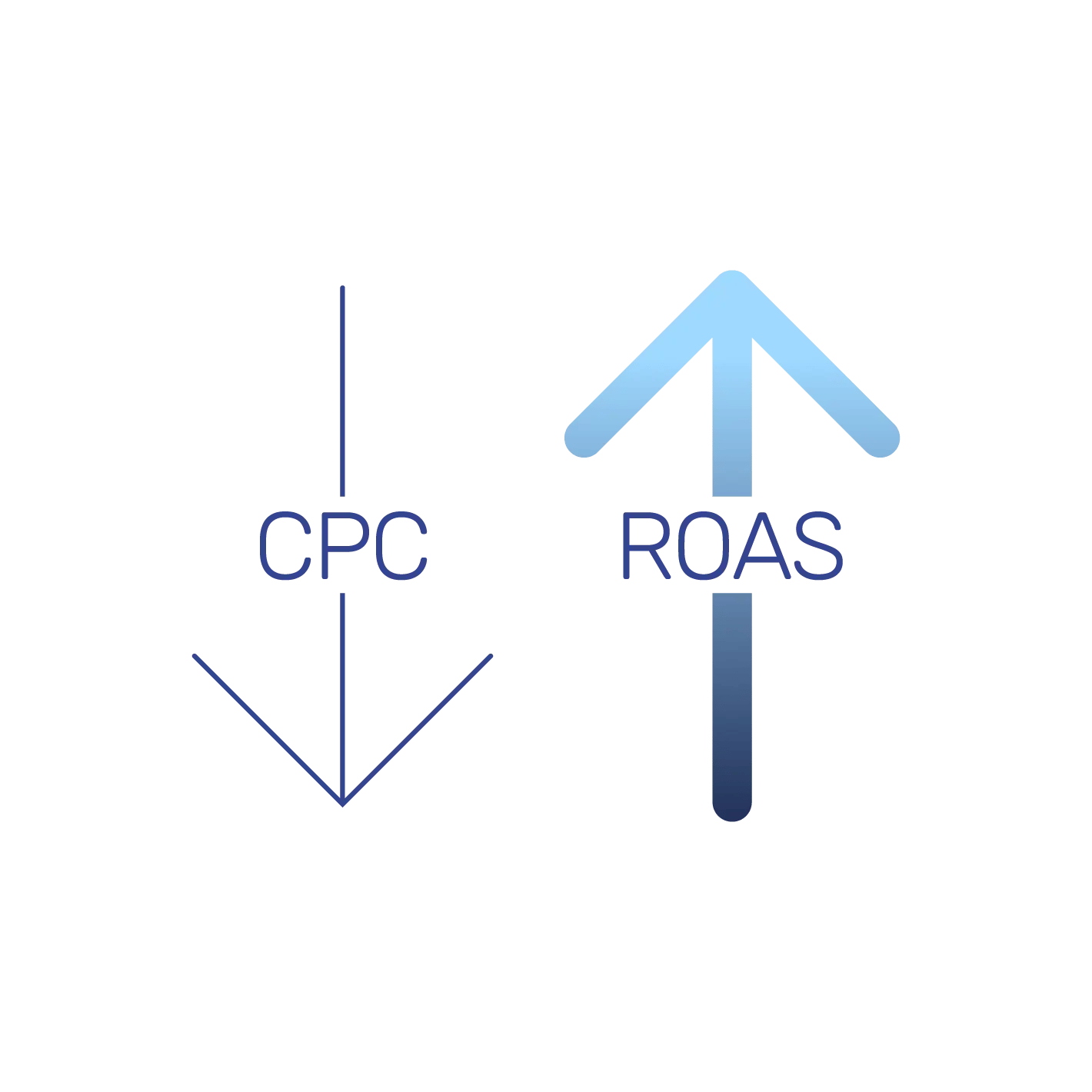
Lower CPC & higher ROAS
High relevance and strong conversion rates improve ad rank, which can reduce your cost per click and increase efficiency across campaigns.
How can we help you today?
Pain points
Feed optimization is crucial, but it’s also tedious.
Manual data entry is slow
That’s why we prefer letting our AI handle it, meaning thousands of products are optimized in seconds and your team gets more time to focus on meaningful tasks.
Inconsistent data quality is a common blocker
Up to 70% of visibility issues stem from missing or incorrect feed attributes — meaning products in your feed might get zero impressions. Better data leads to better performance.
Lower CPC and higher ROAS
High relevance and high conversion rate lead to better ad rank, which means you will also pay less for each auction.

Bidnamic’s impact
+13%
CTR
Bidnamic’s feed optimization provided essential structure, resulting in stronger performance and improved efficiency overall.
Andrew Hinton
Paid Search Manager
Huel
Book a call
Feed Optimization FAQs
Do changes made in Merchant Center affect my website product pages?
No. Changes within your Merchant Center feed only affect how your products appear across Google surfaces like Shopping ads and free listings. They do not update the content on your website product pages. Feed optimization improves how products are structured, enriched, and surfaced in Google - helping increase visibility, relevance, and click-through rate - without touching your CMS or disrupting ecommerce operations.
This allows optimization to move quickly and safely, especially during peak trading periods.
Will my ads still show if a product has a warning?
Yes. Products with warnings can still appear in Shopping ads and free listings. However, warnings usually indicate data quality issues that may limit performance or future eligibility if left unresolved. At scale, too many unresolved warnings can trigger broader account-level issues.
As part of feed optimization, we proactively monitor and resolve warnings to protect visibility, maintain compliance, and keep your products competitive in the auction.
What happens if a product is disapproved?
Disapproved products will not appear anywhere on Google. That means lost visibility, lost traffic, and lost revenue until the issue is resolved. Disapprovals can occur for many reasons: missing attributes, policy violations, mismatched pricing or availability, or formatting issues.
Feed optimization focuses on preventing disapprovals in the first place by maintaining consistent, compliant, high-quality product data and resolving issues quickly when they occur.
Where does Google pull my product data from?
Google pulls product information from your Merchant Center feed. This feed can be updated in several ways:
- Spreadsheets such as Google Sheets or Excel uploads
- Direct integrations or APIs that sync product data from your ecommerce platform
- Feed management tools that automate updates and enrichment
Feed optimization builds on this foundation by continuously improving how data is structured, enriched, and aligned with Google’s requirements and search behavior - not just keeping it up to date.
What’s the difference between feed management and feed optimization?
Feed management focuses on keeping your product feed accurate and compliant, ensuring products are approved, prices match, and stock is correct.
Feed optimisation goes further. It actively improves feed quality to drive performance, including:
-
Enhancing titles and attributes to improve discoverability
-
Structuring data to capture higher-intent searches
-
Improving consistency and compliance at scale
-
Identifying opportunities across your long-tail catalogue
-
Supporting stronger performance in Performance Max and Shopping campaigns
In short: management keeps the lights on. Optimisation drives growth.
Can feed optimization improve my ROAS and revenue?
Yes. Feed quality directly influences how often your products appear, which searches they match, and how compelling they look to shoppers.
Better structured, enriched feeds typically lead to:
- Higher impression share
- Stronger click-through rates
- More relevant traffic
- Better efficiency across paid media spend
This is why feed optimization is one of the highest-leverage improvements ecommerce advertisers can make.
Is feed optimization safe to run during peak trading periods?
Yes, when done correctly. Because feed optimization works within Merchant Center rather than your website, changes can be deployed quickly without development risk. This allows improvements to be rolled out safely during high-demand periods such as promotions, seasonal launches, and Q4 holiday shopping. At Bidnamic, automation handles scale while our team ensures changes align with your commercial priorities and risk tolerance..
Are you struggling to get visibility for all your products?
Optimising product data for your full catalogue is a complex, time-consuming and utterly boring task. Even minor errors or omissions will impact Google's ability to match your products to the most valuable search terms.